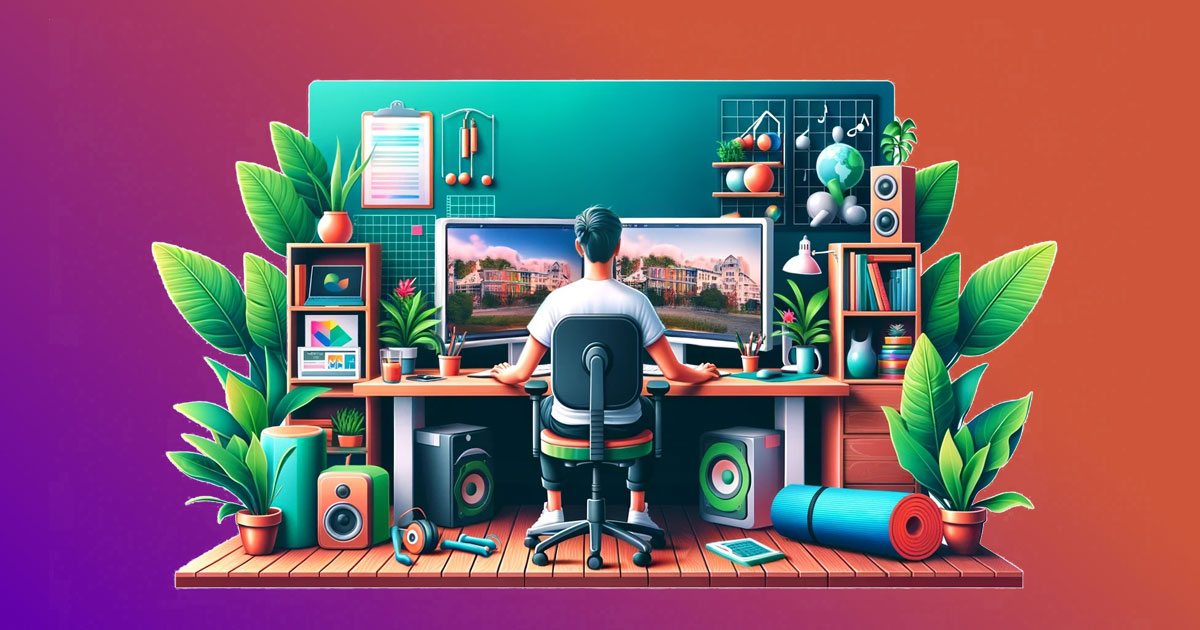
3D artists, also known as 3D visualizers, are the creative professionals behind these intricate renderings. Their role is multifaceted, involving a blend of technical skills and artistic vision to bring architectural concepts to life. Here’s a breakdown of their key responsibilities:
1. Interpreting Architectural Plans: 3D artists begin by thoroughly understanding the architectural blueprints and design specifications provided by architects and designers. This involves studying floor plans, elevations, and other technical drawings to grasp the project’s scope and details.
2. Creating Detailed Models: Using advanced 3D modeling software like AutoCAD, SketchUp, or 3ds Max, these artists construct detailed digital models of the building. This includes everything from the structure’s framework to intricate interior elements such as furniture, fixtures, and decor.
3. Texturing and Material Application: A crucial aspect of 3D rendering is applying textures and materials to the digital model. 3D artists select and apply various materials like wood, metal, glass, and fabric to different surfaces, ensuring that each element looks realistic and aligns with the design intent.
4. Lighting and Environment Setup: Lighting is a vital component of 3D rendering. Artists simulate natural and artificial lighting conditions to create realistic shadows and reflections. This step enhances the depth and realism of the rendered images.
5. Rendering and Post-Production: Once the 3D model is complete and the environment is set up, artists use rendering software to generate high-resolution images or animations. Post-production techniques, such as adjusting color balance, adding effects, and fine-tuning details, are then applied to achieve the final polished look.
6. Client Collaboration and Revisions: Throughout the rendering process, 3D visualizers work closely with clients to ensure the output aligns with their vision. This collaborative approach often involves multiple revisions based on client feedback, ensuring the final render meets all expectations.
7. Staying Updated with Technology: The field of 3D rendering is continuously evolving with new software updates and technological advancements. 3D artists must stay abreast of these changes to maintain their skills and deliver cutting-edge visualizations.
By transforming abstract ideas into tangible visual representations, 3D artists play a crucial role in the architectural design process. Their expertise not only aids in the decision-making process but also helps communicate the designer’s vision to clients, stakeholders, and construction teams, making them indispensable in modern architecture and interior design projects.